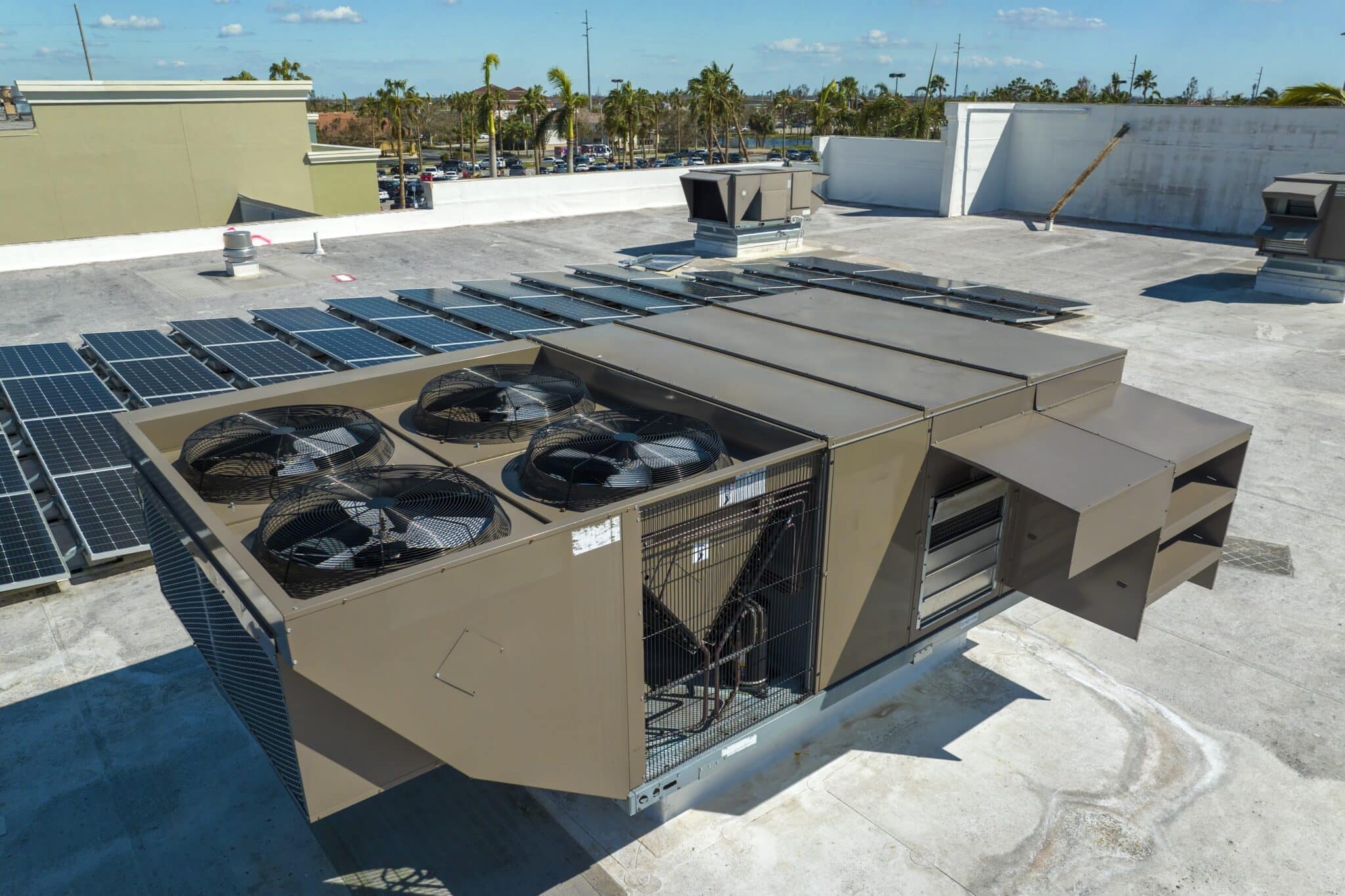


DOAS stands for dedicated outdoor air system. It preconditions fresh outdoor air before it enters your commercial space. Instead of relying solely on a traditional system to handle both your ventilation and temperature control, a DOAS manages outdoor air separately. It does this by filtering, heating or cooling, and controlling humidity as it brings air into your facility.
Many of these systems also incorporate energy recovery technology that works to improve the energy efficiency of your building. As commercial buildings place greater emphasis on indoor air quality for the building’s occupants, DOAS HVAC systems are becoming more popular. They also offer better ventilation and energy performance for the building.
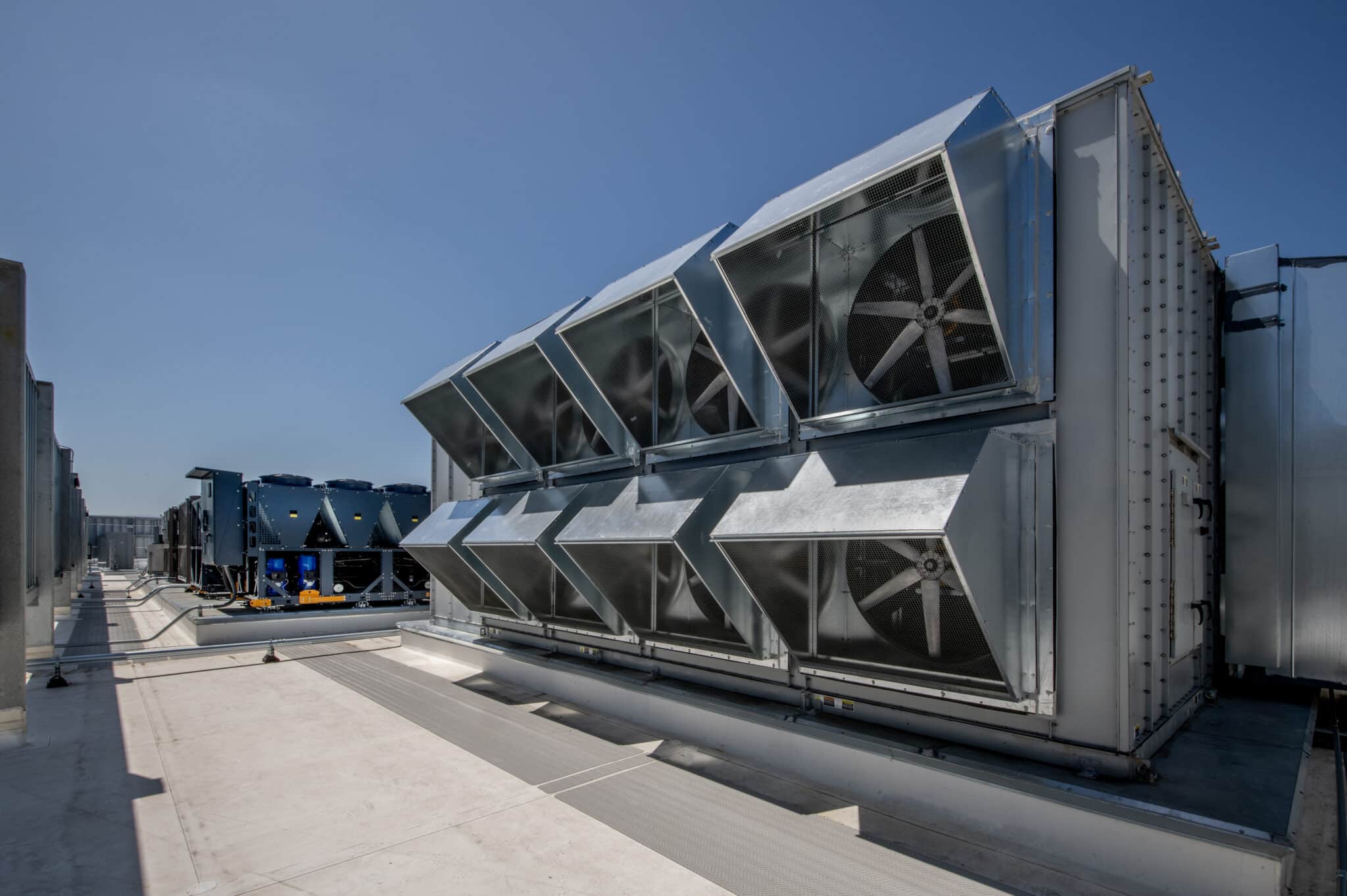
What a DOAS HVAC System Does
A DOAS works separately from your HVAC system to condition outdoor air. It starts by providing a continuous supply of fresh air that it filters to remove excess moisture and unwanted contaminants. It then precools or heats the air before distributing it throughout your building. This separation of ventilation load allows your rooftop unit, VRF system, or other equipment to focus on maintaining a comfortable temperature for your building.
How DOAS Precondition Outdoor Air
Preconditioning refers to preparing the air from outside to better match your indoor needs. Depending on the weather conditions, your DOAS HVAC system may cool summer air and remove excess humidity. During the winter, it may warm cold air. It also works to filter out airborne particles before distributing that air indoors.
Pretreating the outdoor air helps to reduce temperature swings inside your facility and enhance the comfort of all its occupants. By delivering conditioned fresh air, your building’s primary HVAC system experiences less strain and can operate more efficiently.
Why Energy Recovery Matters
For facility owners or managers who want the most efficient HVAC system possible, including energy recovery technology is a must. It captures heating or cooling energy from the outgoing airstream and transfers it to incoming air from outdoors. This process preheats or precools the incoming air with the energy from the outgoing air.
This energy recovery system is great for lowering operating costs and decreasing the workload on your HVAC equipment. This is because it doesn’t have to make up for such a wide temperature difference between the air outside and the indoor air.
Another advantage of energy recovery is that it helps maintain more consistent indoor temperatures throughout the building, even as outdoor conditions change. By reducing the amount of heating or cooling required to condition incoming ventilation air, the HVAC system can operate more efficiently during peak demand periods. This improved efficiency can extend equipment life while supporting reliable comfort for building occupants.
Why Building Codes Are Increasing DOAS Demand
New commercial building construction is placing a greater emphasis on providing adequate ventilation and maintaining healthy indoor environments. As these ventilation expectations evolve, many architects, engineers, and building owners are incorporating DOAS HVAC systems.
Planning for a dedicated ventilation system early on can improve your building performance while maintaining long-term efficiency. With local ventilation requirements and building code standards, a DOAS system can be the perfect solution to meet these efficiency and safety requirements.
When a Commercial Building Should Consider DOAS
Owners and managers of commercial buildings should consider a DOAS whenever they need better humidity control, ventilation, or indoor air quality. A DOAS is a great choice for new construction because it allows engineers to specifically design dedicated ventilation that works with primary HVAC equipment.
A DOAS can also be a valuable addition when it comes to major building renovations. It allows you to upgrade your building’s comfort, efficiency, and compliance with modern ventilation codes. If you have a commercial facility in a humid climate, a DOAS is perfect for reducing that extra moisture. This creates a healthier and more comfortable indoor environment.
Schools, healthcare facilities, offices, fitness centers, laboratories, restaurants, and manufacturing plants are all ventilation-heavy facilities. These often require a consistent supply of conditioned outdoor air, which makes a DOAS system highly effective. Property owners who want to reduce their HVAC workload, have a more efficient building, and improve indoor air quality can benefit from a DOAS.
Plan DOAS HVAC Systems for Better Ventilation and Comfort
Whether you’re a property owner, a builder, or a facility manager, DOAS HVAC can be the best choice for your facility. From planning and installation to commercial HVAC support, we offer it all.
Contact Caloosa Cooling today to request an estimate for a DOAS in Fort Myers, FL, today.
DOAS HVAC System FAQs
Whether it’s about DOAS HVAC or our routine AC maintenance services, we get a lot of questions. We’ll answer some of the most common ones.
What does a DOAS HVAC system do?
DOAS HVAC systems work to bring outside air into your space. As the air travels in, it goes through a filter and then reaches your desired temperature before circulating throughout your commercial facility. This removes excess humidity, improves your ventilation, and reduces the workload of your primary HVAC equipment.
How do DOAS systems help indoor air quality?
DOAS systems provide a continuous flow of filtered, conditioned air from the outdoors for your building. They help reduce the number of airborne contaminants as well as the amount of moisture and stale air. These can all contribute to things like mold growth. This not only improves indoor air quality but also creates a more comfortable environment for your building’s occupants.
Are DOAS systems used in new commercial HVAC projects?
Yes, DOAS units appear in many new commercial construction projects. They provide dedicated ventilation, improved indoor air quality, and better humidity control. Many businesses opt for DOAS as part of their commercial HVAC services to meet modern building codes and enjoy better building efficiency.