

Variable refrigerant flow (VRF) systems give commercial properties precise temperature control across multiple zones, making them a strong option for offices, retail spaces, mixed-use buildings, and other properties with different comfort needs. But the same design that makes VRF flexible also makes maintenance more involved than it is for a basic single-zone HVAC system.
Business owners, building owners, facility managers, and others responsible for HVAC decisions don’t need to know how to service every component. You should, however, understand what professional VRF maintenance includes, how often your system may need attention, and which warning signs shouldn’t wait until the next scheduled visit.
Read on to learn all the basics of VRF maintenance from the expert commercial HVAC team at Caloosa Cooling.
Why VRF Maintenance Is Different From Standard Commercial HVAC Systems
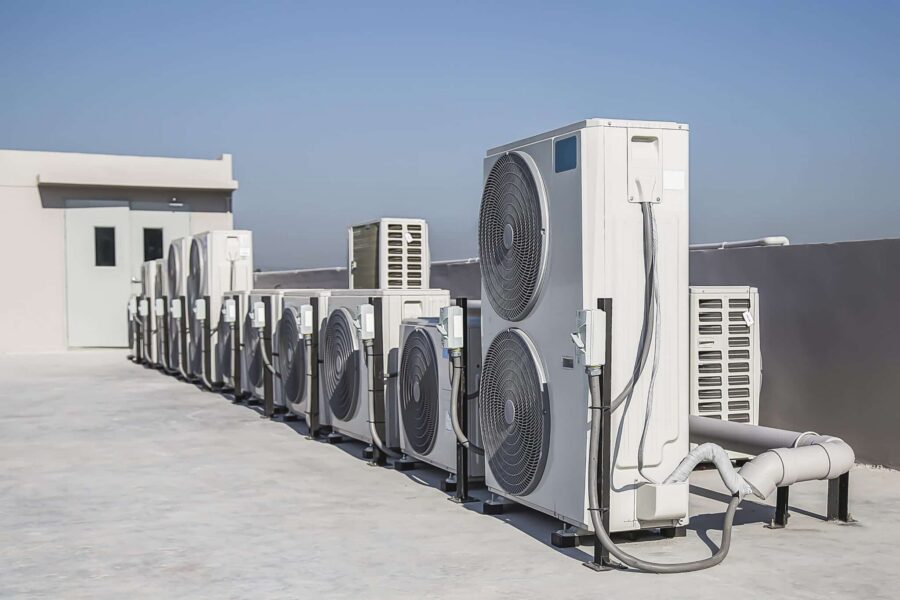
A VRF system connects multiple indoor units to one or more outdoor units through a refrigerant piping network. Each zone can have its own temperature setting, while inverter-driven compressors adjust their output as heating and cooling needs change throughout the building.
That means a problem doesn’t always affect the whole system at once. A sensor or control issue may leave one zone uncomfortable, while a refrigerant or communication problem can affect several connected units. Technicians need to understand the equipment, controls, and refrigerant network as one system rather than treating each indoor unit separately.
What Should Commercial VRF Maintenance Include?
The exact maintenance checklist for a commercial VRF system depends on the equipment manufacturer and your building. That said, all routine VRF service should cover the indoor units, outdoor equipment, refrigerant system, condensate drainage, and controls.
Indoor Units, Filters, Coils, and Condensate
Filters need to stay clean enough for each indoor unit to move air properly, while dirty coils can reduce heat transfer and system performance. Technicians should also inspect condensate drains and pumps for buildup or drainage problems.
Those drainage checks are especially important in Southwest Florida, where cooling systems remove moisture from the air for much of the year. A blocked drain or failed pump can lead to water around an indoor unit and may shut that zone down.
Outdoor Units and Refrigerant Components
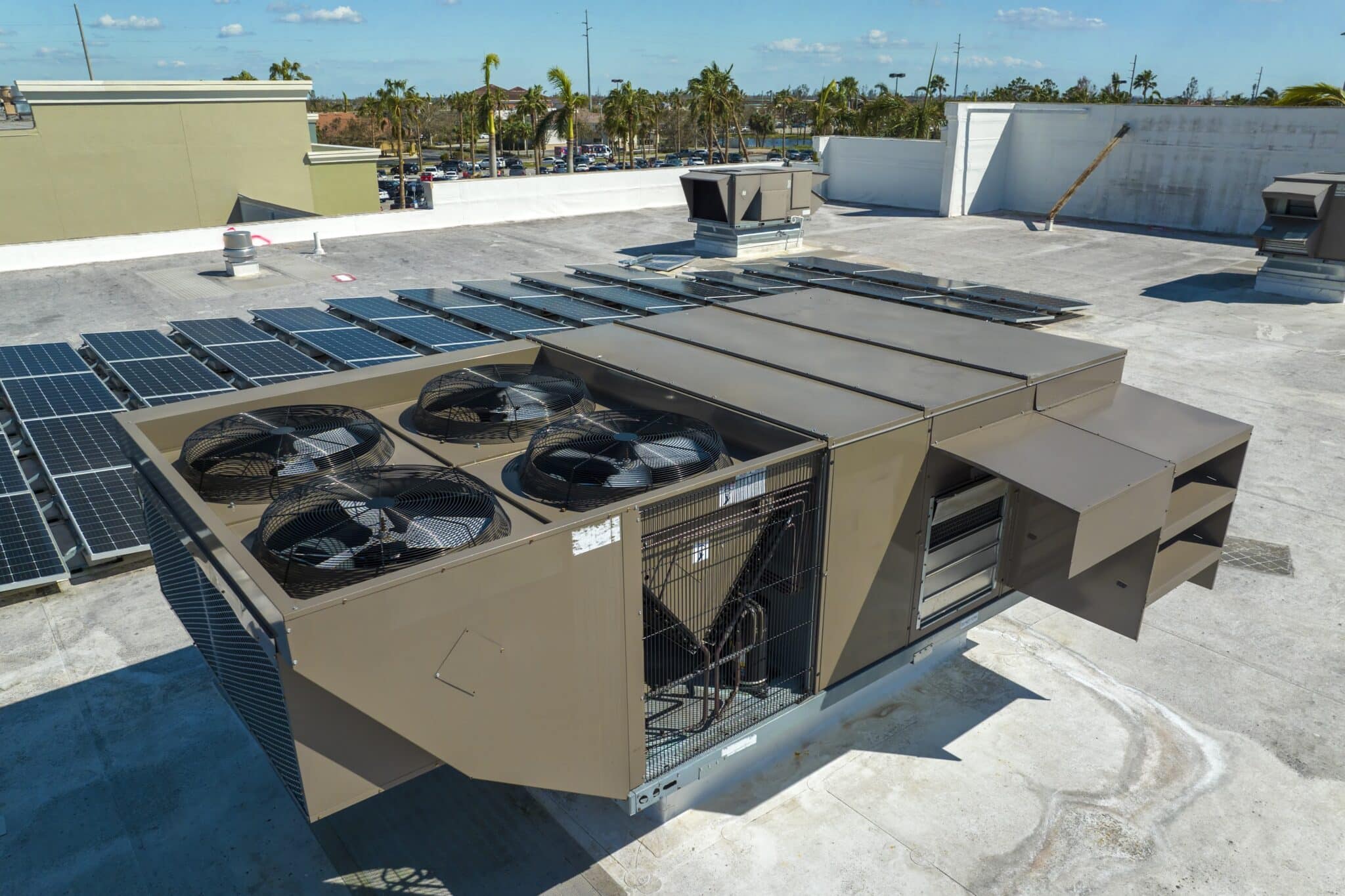
Outdoor maintenance includes checking coils, fans, electrical components, compressors, and inverter operation. Technicians can also inspect refrigerant piping and insulation for visible damage, oil staining, or other signs that deserve a closer look.
If system readings or performance point to a possible refrigerant problem, a qualified technician can diagnose it using the manufacturer’s service procedures. Work that can open the refrigerant circuit must be handled by technicians with the required EPA Section 608 certification.
Controls, Sensors, and Zone Communication
Controls are a major part of VRF maintenance because individual zones depend on sensors, controllers, and communication between indoor and outdoor equipment. A technician may confirm that each unit responds to its controller, review stored error codes, and check whether connected equipment is communicating correctly.
For systems tied into a building management system, control problems can also affect scheduling, setpoints, or how different zones respond throughout the day.
How Often Should a Commercial VRF System Be Serviced?
Our HVAC specialists recommend servicing most commercial HVAC systems at least twice a year, particularly before heavier heating or cooling demand. Your VRF system may need a different schedule based on the manufacturer’s requirements, operating hours, occupancy, equipment location, and conditions inside the building.
Not every maintenance task follows the same schedule, either. Filters and condensate drains may need attention more often than a full system inspection, especially in busy properties or systems that run for long hours.
A planned commercial HVAC maintenance schedule can be built around your equipment and business instead of waiting for comfort problems or breakdowns to dictate when service happens.
What Are the Warning Signs a VRF System Needs Service?
One advantage of zoning is that different parts of the building can operate independently. The downside is that a problem may first appear in only one office, tenant space, or section of the property.
- A zone that no longer reaches its temperature setting
- One or more indoor units going offline
- Water leaking around an indoor unit
- New or unusual equipment noises
- Repeated controller error codes
- Spaces feeling muggy even when the temperature is comfortable
- Unexpected increases in energy use
Don’t dismiss a problem because the rest of the building still feels comfortable. An issue limited to one zone can come from a sensor, drain, controller, indoor unit, or another part of the connected system.
What Should You Expect From a VRF Maintenance Provider?
A VRF technician should be able to diagnose more than filters and coils. Service may involve indoor and outdoor units, refrigerant piping, electrical components, controllers, sensors, and communication faults across the system.
You should also get clear information about what was found. Good service records make it easier to spot recurring problems, track past repairs, and see when one component is becoming a repeated source of trouble.
If maintenance uncovers a repair need, your provider should explain the problem, how it affects the system, and what needs to happen next. That gives you useful information for deciding whether to repair a component now or plan for a larger equipment expense.
Plan VRF Maintenance Around Your Business Operations
Planned maintenance gives you more control over when service happens. For offices, retail spaces, mixed-use properties, and other commercial buildings, that can mean scheduling work around customers, tenants, employees, or busy operating hours.
It also gives you a chance to address developing problems before they take a zone offline during a busy day. In Southwest Florida, where commercial cooling systems can run heavily for much of the year, planned service can make repairs easier to schedule and reduce the risk of an unexpected disruption.
If your commercial VRF system is due for maintenance or shows signs of trouble, contact us at Caloosa Cooling to schedule commercial VRF service in Southwest Florida.