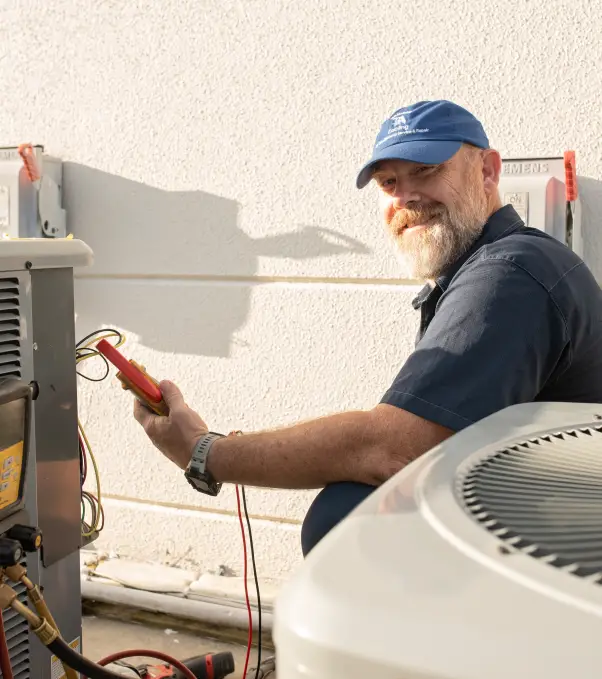



Living in Fort Myers, FL means dealing with heat and humidity for most of the year. Even when your air conditioner runs constantly, excess moisture in the air can leave your home feeling damp, sticky, and uncomfortable. High humidity does more than affect comfort levels. It also forces your HVAC system to work harder, increasing strain on key components and affecting your indoor air quality.
Understanding how high humidity affects your HVAC system in Fort Myers will help you recognize these problems early and protect your comfort and your equipment.
Why Humidity Is a Major HVAC Issue in Fort Myers
Living in Fort Myers, homeowners deal with high humidity most of the year. Unlike in dry climates, where air conditioners focus mainly on lowering temperature, HVAC systems in Southwest Florida must also remove large amounts of moisture from the air every day.
This extra demand changes how the system operates. Your AC runs longer cycles and tends to create more condensation. Your system experiences more wear over time because it constantly works to control both temperature and humidity levels. Humidity also affects how comfortable your house feels. Even when the thermostat displays a comfortable temperature, excess moisture will make the air feel heavier and warmer than it actually is.
How High Humidity Makes Your AC Work Harder
Your air conditioner removes heat and moisture from the air at the same time. When humidity levels rise, the system needs to work longer and harder to pull excess moisture from the indoor air. Longer cooling cycles increase energy usage and place additional strain on components. Over time, this added workload can reduce efficiency and increase the chances that you will need air conditioning repairs.
Restricted airflow can make humidity problems even worse. Dirty filters, clogged coils, and ductwork issues reduce your system’s ability to remove moisture efficiently. Regular air conditioning services help keep these components clean and functioning properly so that your system can better manage Fort Myers humidity.
Why Your Home May Still Feel Sticky Even When the AC Is Running
As a homeowner, you most likely assume that if your AC runs, the house should automatically feel comfortable. However, cooling the air and removing humidity are not the same process. Some HVAC systems cool the home quickly but don’t run long enough to remove a sufficient amount of moisture from the air. This commonly happens with oversized systems that lower the temperature too fast but leave humidity behind.
Poor airflow is another issue that contributes to the problem. When air can’t move properly across the evaporator coil, the system loses some of its ability to remove moisture effectively. As a result, the house may still feel damp even though the AC continues to run.
How Humidity Can Affect Indoor Air Quality
High humidity can affect more than comfort levels. It also creates conditions that negatively impact indoor air quality. Excess moisture encourages mold growth and other airborne allergens that thrive in damp environments. These particles circulate throughout your home whenever your HVAC system runs, which may worsen allergy symptoms and respiratory irritation.
High humidity can also create musty odors and make indoor spaces feel stale. In some homes, moisture buildup may affect wood flooring, furniture, and other materials over time. Maintaining proper humidity levels will help to improve both your comfort and the air quality inside your home.
Moisture, Mold, and HVAC System Strain
High humidity can create long-term problems inside the HVAC system itself. Moisture buildup creates ideal conditions for mold and mildew growth. As condensation increases, drain lines can clog more easily, and corrosion may begin affecting metal components. Excess moisture can also reduce airflow and lower system efficiency.
When your HVAC system struggles to manage humidity, components work harder and wear out faster. What starts as a comfort issue will eventually result in higher repair costs if the problem continues unchecked.
How Maintenance Helps Your System Manage Humidity
Routine maintenance plays an essential role in helping your HVAC system control humidity levels effectively. Clean coils, unrestricted airflow, and proper refrigerant levels all help the system remove moisture more efficiently. During maintenance visits, one of our technicians will inspect drain lines and identify airflow issues that may affect humidity control. Catching these problems early helps prevent major issues later.
Regular service also reduces strain on the system during the long cooling season. Preventive maintenance will also help you take steps to improve efficiency and maintain comfort throughout the year.
When to Call for HVAC Help in Fort Myers
If your home constantly feels humid, or you begin to notice musty odors and rising energy bills, your HVAC system may struggle to manage moisture properly. Restricted airflow can create serious humidity problems inside your home. Dirty components and oversized equipment can also reduce your system’s ability to control moisture effectively. These issues rarely improve without professional attention.
Contact us at Caloosa Cooling to control indoor humidity and reduce unnecessary strain on your system in Fort Myers.