Mini Splits for Garages: A Practical Guide to Comfort and Humidity Control
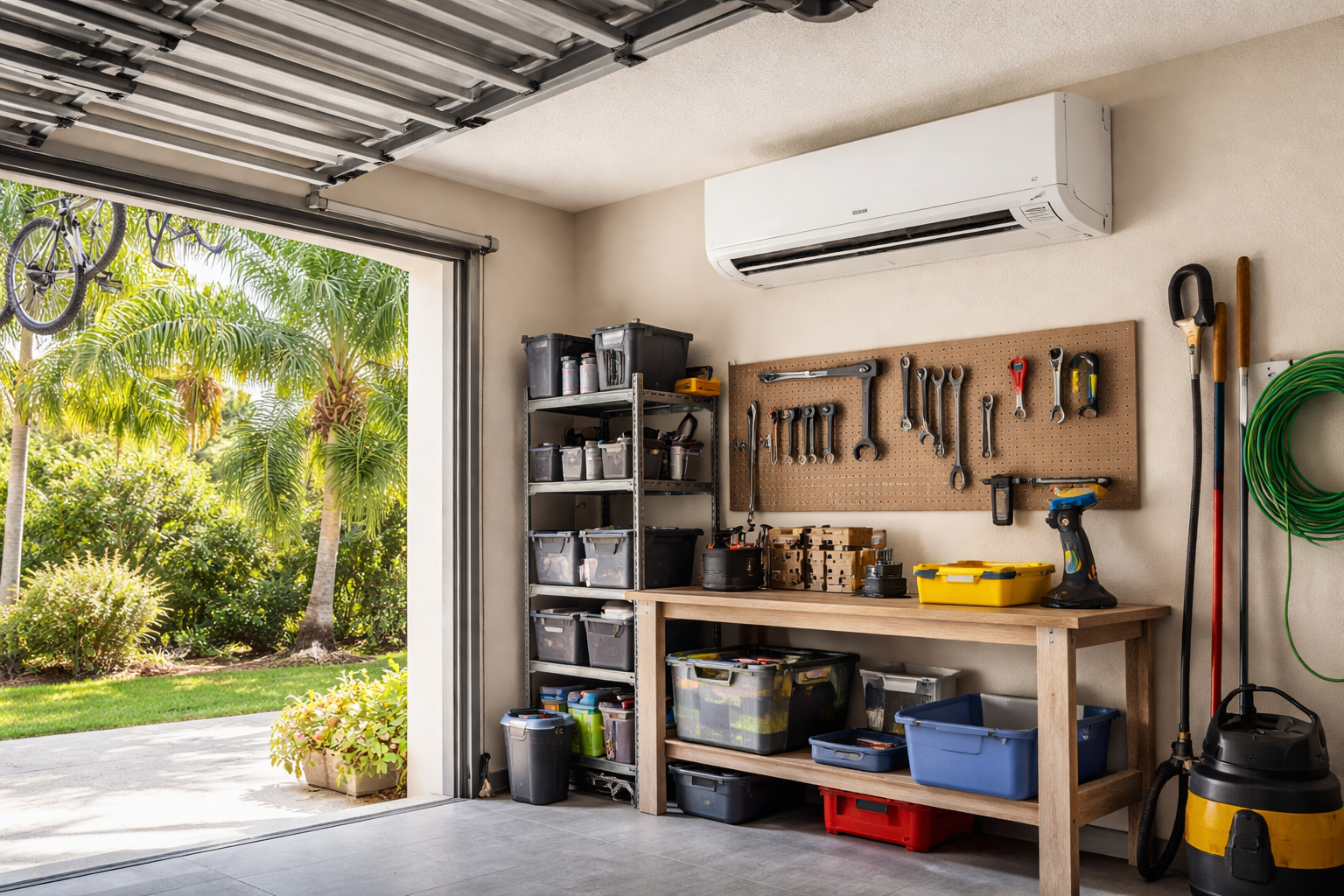
Garages are not “bonus space” anymore. They are home gyms, workshops, storage rooms for temperature-sensitive items, or the place you actually spend time when working on projects, and comfort is the difference between using the space and avoiding it. The problem is that a garage behaves nothing like a living room: it leaks air, it absorbs heat, and it pulls in humidity the second the overhead door opens. That is why mini splits for garages have become a popular solution for homeowners who want consistent comfort while still relying on full HVAC services for the rest of the home.
In South Florida, the goal is not just “cooler.” It is cooler and drier, with stable temperatures that do not swing wildly every time the door opens, and that requires planning the system around how the garage actually behaves. When something feels off before you commit to a new install, getting AC repair support can help confirm whether the issue is sizing, airflow, or moisture control.
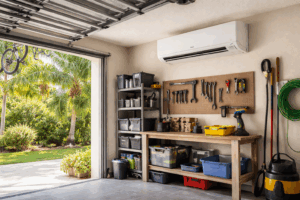
Why ductless is usually the better approach for a garage
A garage load is unpredictable. You might open the door ten times in an hour, run heat generating tools, or park a hot car and trap that heat inside, and those swings can wreck comfort if the system is not designed for them. Trying to extend a ducted system into that environment can create airflow problems and comfort complaints throughout the home, because the house and the garage want different runtimes and different control strategies. With a dedicated ductless system, you isolate that load, control it independently, and keep the home system from constantly chasing garage swings.
A ductless setup also avoids common duct problems in garage applications, including leakage, insulation gaps, and pressure imbalances that can pull in outdoor air. If you are exploring what configurations are possible, start by reviewing ductless mini split options, then match features to how you actually use the space, not just the square footage.
How you use the garage changes the plan
Before anyone talks tonnage or brands, the most important question is how the space is used. A garage gym needs fast recovery after door openings and consistent moisture removal. A workshop needs comfort without blasting airflow directly into the primary work zone, and it may need extra attention to dust control. Storage focused garages are often humidity problems first, because cardboard, tools, paint, and electronics can all suffer in damp conditions, and if a system ever fails during extreme heat, having access to 24/7 emergency AC matters more than most people realize.
- Home gym: prioritize steady dehumidification and even airflow across the room.
- Workshop: prioritize placement that avoids direct “wind” on the workbench and keeps the unit away from heavy dust zones.
- Storage: prioritize moisture control so stored items stay dry and odor-free.
- Frequent door use: prioritize recovery strategy so comfort returns quickly after big air dumps.
What makes the install succeed
1) Insulation and air sealing are the foundation
The easiest way to waste money is to install equipment in a garage that leaks like a screen door. If the overhead door is unsealed, side doors leak, or the attic above the garage has weak insulation, the system has to fight a constant stream of heat and humidity. Even basic improvements, like weatherstripping, sealing obvious gaps, and upgrading insulation, can reduce runtime and improve comfort immediately. If your garage is used as a studio or office, they can also help soundproof your HVAC system, making the space feel more usable.
2) Humidity control matters as much as temperature
A garage that is “cool but clammy” is a sizing and runtime problem, not a thermostat problem. Oversized systems can satisfy the temperature quickly, then shut off before they pull enough moisture, which is why garages often feel sticky even when the air is cold. In South Florida, a right-sized system that runs more steadily usually wins because it removes moisture more consistently and prevents that damp, lingering feel that makes the space unpleasant.
3) Proper sizing prevents short cycling
Garages have unusual heat gain patterns. Big doors, sun exposure, hot cars, and tool loads do not show up in a simple square-foot estimate, so the best approach is a real load-based sizing method that accounts for how the space behaves. When sizing is right, mini splits for garages can maintain comfort without constant on-off cycling that reduces efficiency and moisture removal, and if you are weighing the timing of an upgrade, comparing AC replacement options can help you avoid investing into a setup that is underpowered or oversized.
4) Indoor unit placement drives comfort
Placement should support even coverage without blasting directly at where you stand, lift, or work. If the unit is mounted too close to the overhead door, every opening dumps hot, wet air into the immediate sensing area, which can cause erratic behavior. Good placement creates a smoother temperature profile and a less drafty feel, and it also keeps the unit out of the highest-dust zones, reducing maintenance headaches.
5) Drain routing and maintenance planning keep performance steady
Mini splits remove moisture, and that means condensate must drain reliably. Poor drain routing can lead to clogs, leaks, stains, and recurring service calls, especially in garage environments where dust and debris are common. A proactive AC maintenance visit helps keep coils clean, airflow strong, and drainage working properly, which helps preserve comfort over time.
Brands and features that matter in real garages
Homeowners often ask for “the best brand,” but the better question is which features match your goals. In garage applications, the most meaningful differentiators tend to be moisture control behavior, sound levels, control options, and how well the system can modulate output instead of cycling hard. The equipment matters, but installation quality and correct sizing typically matter more, because garages amplify every mistake, and reviewing Mitsubishi ductless systems is a helpful way to see what a proven ductless lineup looks like when you compare comfort features and control options.
- Comfort first: look for stable runtimes and quiet indoor operation.
- Control matters: prioritize simple scheduling and responsive temperature changes.
- Long-term reliability: prioritize correct setup, clean drainage, and realistic maintenance planning.
When to get a professional evaluation
A garage system should be planned like its own comfort zone. That means sizing based on the garage’s real load, installing for proper airflow and drainage, and setting expectations about door openings and insulation. If you want the space to feel consistently comfortable instead of “sometimes okay,” start by getting an evaluation and using that data to choose the right configuration.
If you are ready to build a plan based on your garage’s actual conditions, you can schedule service online and confirm sizing, placement, and drainage before finalizing installation decisions.