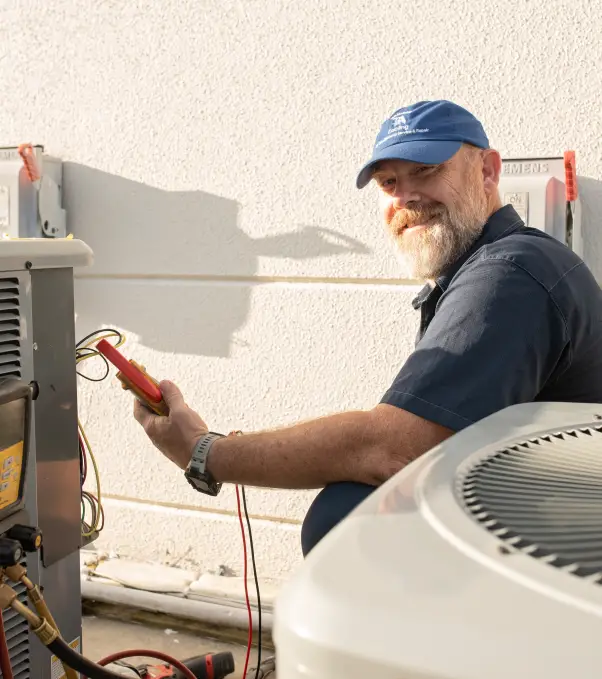



If you are trying to figure out how to reduce air conditioner noise, the goal is usually the same whether the sound is a hum, rattle, whoosh, buzz, or vibration. Effective HVAC soundproofing helps reduce the noise your system creates, limits the way sound travels through walls and ductwork, and makes everyday living more comfortable. Noise often comes from condenser hum, vibration through mounts, air rush in undersized or leaky ducts, loose panels, and high static pressure. With the right HVAC noise reduction approach, your home or office can feel noticeably quieter. Start with these seven proven steps.
-
Install soundproof insulation
Wrap noisy supply and return trunks with acoustic duct wrap or use lined ductboard on replacement sections to absorb whoosh and reduce high-frequency sound. Focus on the first 10 to 15 feet off the air handler where air velocity is highest. In humid Florida conditions, seal the vapor barrier carefully so insulation stays dry and effective, and avoid compressing the wrap, which reduces its sound-absorbing value. -
Use noise barriers
Add mass loaded vinyl or a double layer of dense drywall to the mechanical closet or shared walls to block sound from entering living spaces. Create a continuous barrier by sealing seams and penetrations around refrigerant lines and electrical conduits with acoustic caulk. If walls are open, consider resilient channel to decouple the barrier from framing for better isolation while keeping equipment clearances in mind. -
Seal air leaks
Whistles and rattles often come from gaps at plenum seams, takeoffs, and return boxes. Use water-based mastic and UL 181 foil tape, not fabric duct tape, to seal joints, screw heads, and access-panel edges. Gasket the filter door so air does not bypass the filter, which can lower static pressure, quiet airflow, and improve efficiency at the same time. If airflow still sounds excessive after sealing, it may be time for a professional air conditioning maintenance inspection to check for hidden restrictions or airflow issues. -
Use vibration isolators
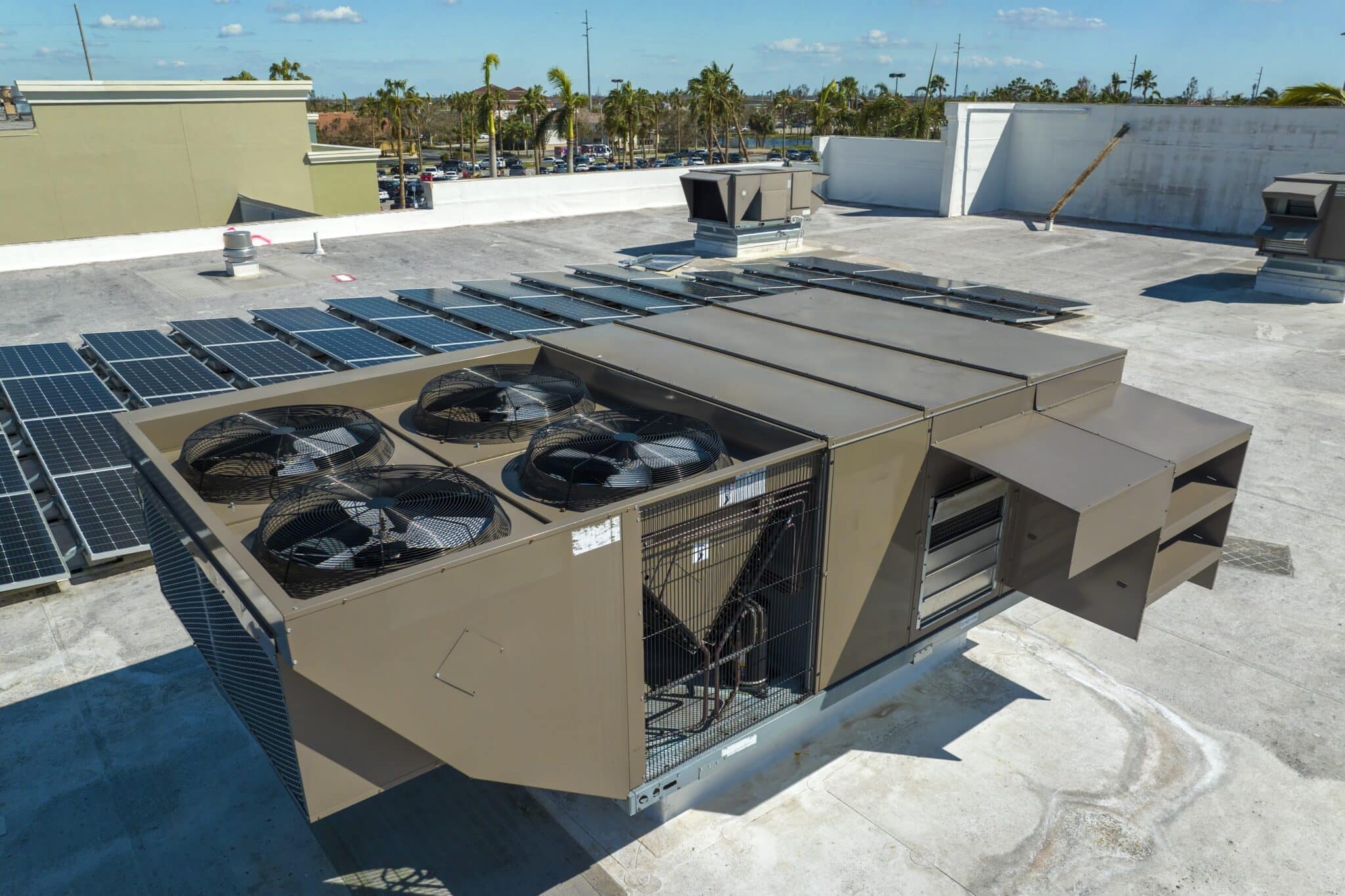
Place rubber or spring isolation pads under the outdoor condenser and the indoor air handler so equipment vibration does not transfer into floors and walls. Add flexible connectors between the unit and the ductwork, and use rubber bushings on hangers or brackets. Re-level the condenser and ensure the line set and electrical conduit have gentle bends, since rigid, tight runs can carry vibration into the structure. -
Consider duct silencers
Inline duct silencers, also called sound attenuators, can calm airflow noise on long straight runs and are especially useful on returns near bedrooms or offices. Choose a size that keeps air velocity reasonable and account for the small added resistance by verifying airflow after installation. For returns, a lined return box or a short internal baffle section can further reduce rumble without restricting flow. This is one of the best options when the main problem is how to soundproof ductwork instead of how to quiet the outdoor unit. -
Balance airflow
Uneven or high-velocity airflow is loud. Open closed dampers, add or upsize return grilles in rooms that feel starved, and replace restrictive grilles with higher free-area models to lower air speed. After coil cleaning and filter upgrades, verify blower settings so total static pressure sits within the equipment’s recommended range, which reduces fan strain and noise. If your system is making more than normal noise during operation, compare the symptoms to other common AC problems so you can tell whether the issue is airflow-related or mechanical. -
Upgrade to a quieter system
When replacement is on the horizon, variable-speed compressors and ECM blowers ramp gently and run quieter at partial capacity, cutting overall day-to-day sound levels. Look for equipment with sound-reducing fan blades, insulated cabinets, and lower published sound ratings, and consider relocating the outdoor unit away from bedrooms or patios. Ask your installer to commission the system carefully, since correct charge, airflow, and vibration control are critical to the final sound level. If your current equipment is older, worn, or increasingly noisy, a properly selected air conditioning replacement may be the most effective long-term solution.
In many cases, the quietest results come from combining several of these steps instead of relying on only one fix. For example, sealing leaks without addressing vibration can still leave you with buzzing or rattling, while upgrading insulation without correcting static pressure can leave the whooshing sound in place. The best HVAC soundproofing plan depends on where the noise starts, how it travels, and whether the problem is coming from the ducts, the air handler, or the outdoor condenser.
When a Quieter HVAC System Makes Sense
Sometimes noise reduction is not only about adding a sound barrier for an AC unit or wrapping ductwork. Sometimes the equipment itself is the problem. Older single-stage systems often start and stop more abruptly, create stronger vibration, and push air at higher speeds than newer systems designed for quieter operation. If your system is aging, struggling to maintain temperature, or getting louder over time, it may be worth looking at whether repair, tuning, or replacement makes the most sense for your home.
Quieter modern systems often use variable-speed technology, gentler fan ramp-up, and cabinet designs that help reduce operating noise during normal cycles. Compact equipment layouts can also help when installation space is tight and sound control matters near walkways, patios, bedrooms, or office walls. Features like lower fan speeds during mild demand, improved cabinet insulation, and quieter compressor operation can make a major difference in everyday comfort, especially in homes where outdoor and indoor noise are more noticeable.
Features That Can Help Reduce HVAC Noise
- Variable-speed compressors that ramp more gradually instead of starting at full force
- ECM blower motors that support smoother airflow and lower indoor noise
- Sound-reducing fan blade designs that help minimize outdoor operating noise
- Insulated cabinets that help contain equipment sound
- Compact outdoor unit designs when placement options are limited
- Smart controls that help the system run more steadily instead of cycling aggressively
- Better service access that makes maintenance and adjustments easier over time
Even the quietest equipment can become noisy when airflow is restricted, panels loosen, or parts wear down. That is why noise should always be evaluated as both an equipment issue and a system issue. If your AC suddenly starts sounding louder than usual, starts buzzing, or develops new rattling, review what to check first in our guide on what to do when your AC stops working before the problem grows into a more serious repair.
Professional HVAC Contractor in Fort Myers, Florida
It is important to note that HVAC soundproofing can be more technical than it looks. The wrong insulation, poor airflow changes, or an improperly placed sound barrier can create new comfort or efficiency problems if the system is not evaluated correctly. That is why it is best to work with a professional HVAC contractor who can identify whether the noise is coming from airflow, duct design, loose components, vibration transfer, or aging equipment.
Caloosa Cooling provides residential and commercial air conditioning and heating services from Bradenton down to Marco Island, Florida. If your system is loud, rattling, humming, or creating excessive airflow noise, our team can help identify the cause and recommend the right next step, whether that means sealing leaks, correcting airflow, improving vibration control, or addressing worn equipment. When noise is paired with comfort issues or inconsistent performance, a professional AC repair service can often solve the problem before it gets worse.