When a company gives you a vague quote for a new AC, you may not even know what you’re seeing. Understanding what goes into a professional quote helps you avoid hidden fees and ensures you get the system you deserve. This guide will walk you through everything a comprehensive AC replacement estimate checklist should include so that you can make an informed decision.

What an AC Replacement Estimate Should Tell You
A professional estimate should be much more than just a final price tag. It needs to outline precisely what you are paying for and what you can expect during the installation process. Our estimates provide a clear picture of the entire project.
What Should Be Included in a Professional Estimate
Professional estimates involve no guesswork. They should be very detailed documents that define the exact parameters of the job. This protects the homeowner and the company. Let’s go over the core components that any professional quote you receive should include.
Equipment Details and Model Numbers
Generic terms like “3-ton unit” are not sufficient. Your estimate must list the specific brand, series, and model numbers for both the outdoor and indoor components. This allows you to verify the SEER2 ratings.
Scope of Work and Installation Details
In this section, you need a clear picture of the labor involved in installation. It needs to specify that we will remove and dispose of the old unit and outline how and where we will install new units.
Materials, Accessories, and Line Set Details
The estimate should list any and all materials and accessories. From new copper refrigerant lines to electrical components and secondary drain pans, the document needs to spell it out for you. If you are adding a programmable thermostat or an air purification system, these should also appear as individual items.
Permits, Code Compliance, and Inspections
The area requires a local permit. The estimate you receive should state that we will handle this permitting process and that the quote includes that cost. This also ensures that the installation process complies with all local codes and regulations.
Warranty Terms and What Is Required to Keep Them Valid
It’s not enough to know you have warranty coverage. The estimate should break down the entire warranty, telling you what sort of coverage you have and how you maintain that warranty. This is an important section, as manufacturers will often void warranties if you don’t follow their parameters for protection.
Timeline, Cleanup, and Disposal of Old Equipment
The quote should provide a timeframe for how long the installation will take. It should also confirm that we are going to handle the cleanup of the workspace while hauling away your old unit.
AC Replacement Estimate Checklist
To help you stay informed during your consultations, we have compiled this AC replacement estimate checklist. Use these points to ensure every quote you receive is complete.
- Model and serial numbers for all equipment
- SEER2 efficiency ratings clearly stated
- Full breakdown of labor and material costs
- Inclusion of permit fees and inspection information
- Description of thermostat compatibility
- Clarification on ductwork modifications if needed
- Specific warranty lengths and details
- Proof of insurance and licensing
How to Compare Two Estimates Fairly
It’s very common for homeowners to contact more than one company, especially if they receive a free estimate. The fact is that you might be looking at two different quotes and need to compare them. Finding the best value is important, so let’s go over some tips to help you compare estimates.
Match Equipment Type and Efficiency (SEER2)
Check the efficiency ratings on both quotes. A system with a higher SEER2 rating will usually cost more but will save you more money on your monthly electric bills.
Compare Scope Line By Line
Read your two estimates side by side and see what one company did not include. For instance, one quote might mention you need a new pad for your AC unit, while the other omits it. The omission here could end up being an extra hidden charge. You want every single thing in writing.
Verify What Is Excluded or Listed as Optional
Sometimes a quote looks lower because it excludes necessary work like electrical upgrades or duct repairs. If you need ductwork, one quote might include this while the other ignores it. Separate from the “hidden cost” worry, the issue here is that a company may not bother to fix an issue that needs fixing. If it’s “optional,” ask why.
Questions to Ask Before You Sign
Before putting your John Hancock on anything, you need to speak to the representative of the company about your quote. This is the time to address any doubts or concerns you have. After you have read your quote, take a moment to consider the entire process.
- What is the noise level rating?
- Is there a post-installation inspection?
- Can I qualify for utility rebates?
Red Flags That Usually Mean a Bad Estimate
There are a lot of bad estimates out there, and often not intentionally. Many companies simply do not cover everything you need to know. Or they may provide a quote that doesn’t give you model numbers. Also, if a price is surprisingly lower than competitors, something may not be right. Any corner-cutting is also a red flag, such as skipping permits or using unqualified labor.
What Can Change the Price After the Estimate
A lot of companies still find ways to introduce hidden fees. We work to ensure that the price does not change at all once you sign a quote. It’s impossible to say what will come up on a job during the process. Rest assured that if we run into issues, we communicate them clearly with you. Here are issues that could change the price along the way.
Ductwork or Airflow Fixes
Your new high-efficiency unit might struggle if your existing ductwork is compromised. We may encounter gaps, obstructions, and improper sizing. We will let you know the second we find any issues and speak about how to fix them.
Electrical or Panel-Related Upgrades
It’s also possible that a newer model AC needs more power. Although more energy-efficient, a new unit may require more amperage to operate. If we need to change anything about your electrical system, we let you know right away.
Condensate Drain and Safety Issues
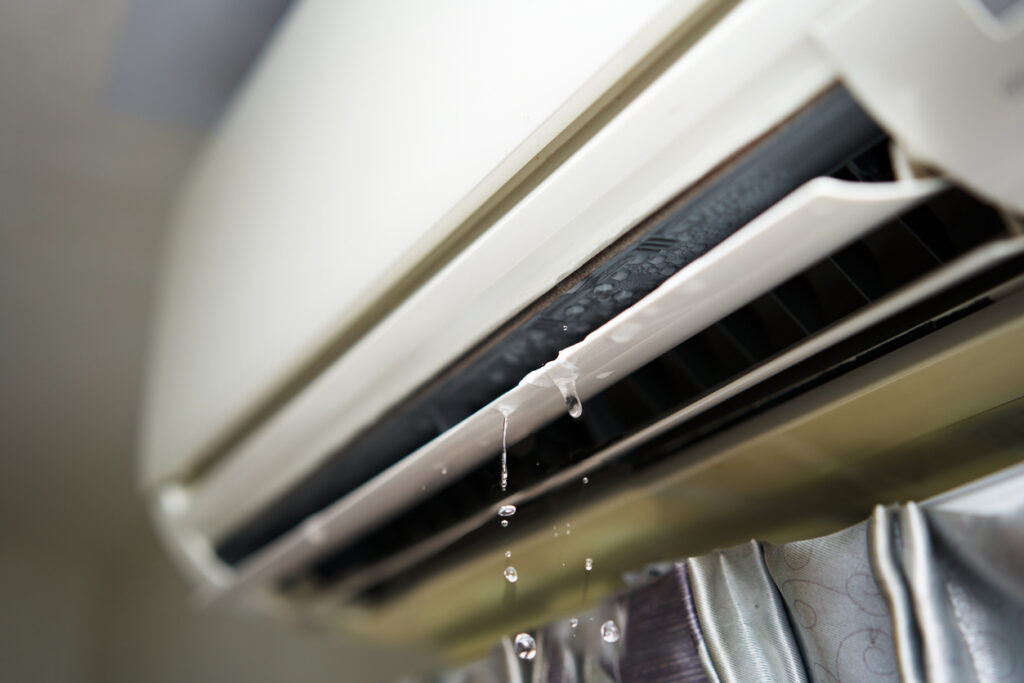
Proper drainage is essential. If we discover that years of sludge clog your existing drain lines, or that you need new drainage, we may need to replace or reroute them to prevent potential future water damage.
Access Constraints and Attic or Crawlspace Conditions
Sometimes, the physical path to remove the old unit and bring in the new one is more restricted than we initially thought. Having to make on-the-spot structural changes could lead to an additional cost.
Next Steps to Schedule an Estimate
At Caloosa Cooling, we are dedicated to superior workmanship and ensuring that our clients are satisfied. Our services are the go-to choice in the area for a reason.
Now that you have a thorough AC replacement estimate checklist to work from, you can make a more informed decision. Contact Caloosa Cooling in Fort Myers, FL, today!
FAQs About AC Replacement Estimates
Many people have questions about AC replacement estimates. Here are some common questions we hear along with their answers.
How Long Should A Professional Home Evaluation Take?
This process doesn’t take long at all; you’re looking at around 90 minutes. We measure square footage, check insulation levels, and inspect the ductwork and electrical system.
Why Do Some Estimates Include A Manual J Load Calculation?
A Manual J load calculation is how we determine the exact cooling capacity your home needs. If a contractor looks at your old unit to decide the size of the new one, they may be repeating an old mistake.